
Michael Harris II’s performance resurgence has been a key storyline for the Atlanta Braves. After an underwhelming start to the season, punctuated by a two-month absence due to a Grade 2 hamstring injury, Harris has experienced a dramatic turnaround, particularly after the All-Star Break. This improvement isn’t just luck; it’s a combination of factors, showcasing his resilience and adaptability.
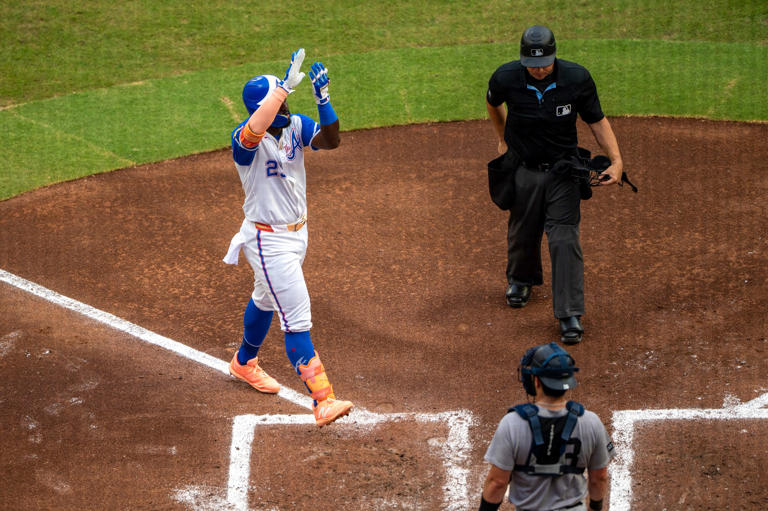
Table of Contents
Key Factors Behind the Turnaround
Health and Recovery
The most fundamental aspect of Harris’s resurgence is his return to full health. According to the article “Michael Harris II & Late-Season Surges: A Dynamic Braves Duo”, his Grade 2 hamstring injury sidelined him for two months, significantly impacting his early-season performance. A player cannot perform at their peak when hampered by injury. Getting healthy was a prerequisite for any subsequent improvements.
Mechanical Adjustments
Beyond simply recovering from injury, Harris actively worked on refining his mechanics. The article highlights that these adjustments “clicked” for him, leading to tangible results on the field. While the specific nature of these mechanical changes isn’t detailed, the impact is evident in his improved statistics.
Mental Fortitude and Adaptability
The article emphasizes Harris’s ability to “work through issues and make necessary adjustments to succeed.” This speaks to his mental fortitude and adaptability—qualities crucial for any athlete facing adversity. Baseball is a game of adjustments, and Harris’s capacity to identify and implement changes has been instrumental in his turnaround.
Statistical Evidence of Improvement
Pre- and Post-All-Star Break Comparison
The statistical contrast between Harris’s pre- and post-All-Star Break performance is stark. Before the break, across 93 games, he batted .210 with a .551 OPS (on-base plus slugging). Since the All-Star Break, in 15 games, his batting average has soared to .400 with a 1.129 OPS, according to the article. This dramatic improvement underscores the magnitude of his performance turnaround.
Late-Season Surge History
It’s important to note that this isn’t an isolated incident. The article points out that Harris has a “history of strong late-season performances.” This suggests a pattern of excelling when the stakes are highest, indicating a clutch player who thrives under pressure.
The Importance of Timely Performance
Production When It Matters Most
Harris’s knack for performing well in the later months of the season is particularly valuable to his team. As the article states, he is “timely for his team when production is needed most.” This ability to elevate his game during crucial periods can be a decisive factor in playoff contention.
Late Season Surge
Michael Harris II’s performance turnaround is a multifaceted phenomenon. It’s a testament to his physical recovery, his dedication to refining his mechanics, and his mental resilience. Combined with his proven ability to perform well in the later stages of the season, these factors have transformed him into a key asset for the Braves.
