
Hader’s Shoulder Strain sidelines the Houston Astros’ star closer, Josh Hader, as he seeks a second opinion on a strained left shoulder. The All-Star’s absence creates uncertainty for the team as they navigate a crucial part of the season, contending for the AL West lead. The situation underscores the pivotal role Hader plays and the team’s careful approach to his recovery.
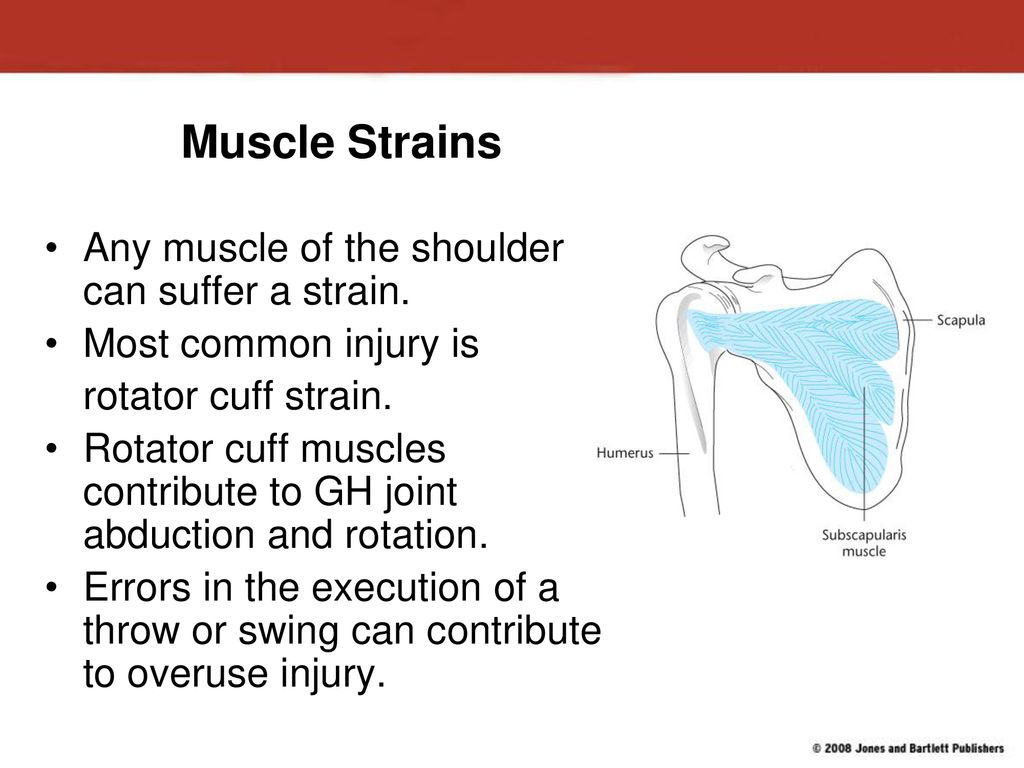
Table of Contents
Hader’s Injury and IL Placement
Josh Hader, a dominant force in the Astros’ bullpen, has been placed on the 15-day injured list due to a strained left shoulder. According to reports from multiple media outlets, including CBSSports.com, Motorcycle Sports, MLB Trade Rumors, and AP Sports Writer (published on smdailyjournal.com), the move was made retroactive to Monday after Hader reported discomfort prior to a game against the Boston Red Sox. This development is a significant concern for the Astros, who rely heavily on Hader’s late-inning prowess.
Details of the Injury
The specifics of Hader’s shoulder strain are still under evaluation. Astros manager Joe Espada addressed the situation, stating that Hader will be seeking a second opinion to gain a clearer understanding of the injury’s severity. The decision to seek additional medical insight highlights the team’s commitment to ensuring Hader receives the best possible care and that a comprehensive recovery plan is established. The initial timeline of the 15-day injured list is likely to be extended, indicating a potentially longer absence for the star closer.
Impact on the Astros
Hader’s absence presents a considerable challenge for the Houston Astros. His performance this season has been exceptional, boasting a 2.05 ERA and securing 28 saves in 48 appearances. These statistics underscore his importance to the team’s success, particularly in high-pressure, late-game situations. As the Astros vie for the AL West lead, Hader’s unavailability necessitates a strategic adjustment in their bullpen management.
Matchup-Based Approach
In Hader’s absence, manager Joe Espada plans to implement a matchup-based approach for the closer role. Rather than naming a single replacement, Espada will leverage the strengths of several relievers, including Bryan Abreu, to navigate the ninth inning. Abreu is considered a strong candidate to handle the majority of save opportunities, given his experience and effectiveness. This flexible strategy allows the Astros to adapt to different game situations and opponent lineups, maximizing their chances of securing victories even without their primary closer. The success of this approach will depend heavily on the performance of Abreu and other key members of the Astros’ bullpen.
The Importance of a Second Opinion
The decision for Josh Hader to seek a second opinion on his shoulder injury underscores the importance of thorough medical evaluation in professional sports. A second opinion can provide additional insights into the nature and extent of the injury, potentially revealing alternative treatment options or confirming the initial diagnosis. This process is crucial for ensuring that athletes receive the most appropriate and effective care, ultimately facilitating a faster and more complete recovery. In Hader’s case, the second opinion will play a vital role in guiding the Astros’ medical team in developing a comprehensive rehabilitation plan tailored to his specific needs.
Navigating Shoulder Injuries
Shoulder injuries in baseball pitchers are common due to the repetitive and high-stress motions involved in throwing. Strains, tears, and inflammation can all affect the complex network of muscles, tendons, and ligaments that support the shoulder joint. Effective management of these injuries typically involves a combination of rest, physical therapy, and, in some cases, more invasive interventions such as injections or surgery. The recovery process can be lengthy and requires careful monitoring to prevent re-injury and ensure a full return to performance. The Astros’ proactive approach in seeking a second opinion for Hader reflects their commitment to prioritizing his long-term health and well-being.
Potential Impact on Playoff Contention
Hader’s Shoulder Strain and subsequent absence arrive at a critical juncture in the season as the Astros battle for playoff positioning. His ability to consistently close out games has been a significant asset, and his absence could potentially impact the team’s ability to secure crucial victories. The Astros’ success in navigating this challenge will depend on the effectiveness of their bullpen management strategy and the performance of their other relievers. While the team has expressed confidence in their ability to adapt, Hader’s absence undoubtedly adds an element of uncertainty to their playoff aspirations.
Alternative Strategies
In the absence of a designated closer, the Astros may explore various strategies to compensate for Hader’s loss. These could include leveraging other high-leverage relievers in key situations, employing more aggressive offensive tactics to build larger leads, or focusing on starting pitching depth to minimize the need for late-inning heroics. The team’s ability to adjust their game plan and execute effectively will be crucial in maintaining their competitive edge during Hader’s recovery. Furthermore, the performance of players stepping into increased roles will be closely scrutinized as the Astros strive to remain a top contender in the AL West.
Conclusion
Josh Hader’s shoulder strain and placement on the injured list represent a significant hurdle for the Houston Astros as they navigate a competitive season. The team’s proactive approach in seeking a second opinion underscores their commitment to Hader’s well-being and ensuring a thorough recovery. While his absence presents challenges, the Astros’ strategic bullpen management and the performance of other key relievers will be pivotal in maintaining their playoff contention. The situation highlights the unpredictable nature of baseball and the importance of adaptability in the face of adversity.
