
AI age verification is coming to YouTube in the U.S. as the platform begins testing a new system designed to accurately determine a user’s age, even if they’ve previously provided incorrect information. Announced on Wednesday, August 12, 2025, by YouTube, the test leverages artificial intelligence to analyze user behavior and account activity to better differentiate between adult and minor viewers. This move aims to enhance child safety and content appropriateness on the platform, addressing growing concerns about online protection for young users.
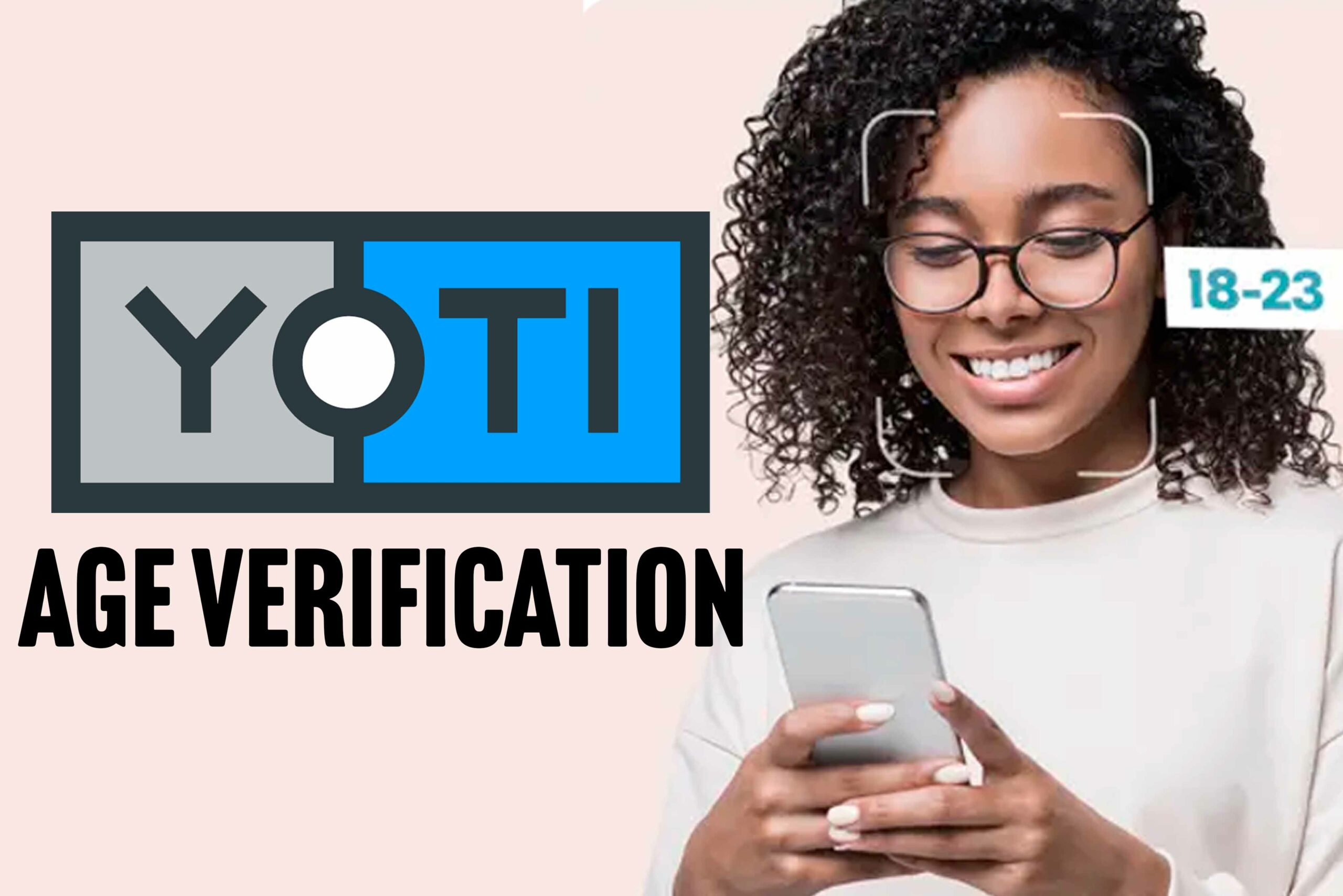
Table of Contents
YouTube’s AI Age Verification Test
The initial rollout of this AI-powered system will affect a limited segment of YouTube’s audience in the United States. According to YouTube’s announcement, the system will only be active when users are logged into their accounts, allowing the AI to assess viewing habits, search history, and overall account activity. This data will be used to estimate the viewer’s age and implement appropriate safeguards.
Safeguards and Restrictions
If the AI system flags a logged-in user as potentially being under the age of 18, YouTube will automatically activate several existing safeguards. These measures, as outlined by James Beser, YouTube’s director of product management for youth, include:
- Blocking Certain Videos: Restricting access to content deemed inappropriate for minors.
- Limiting Personalized Ads: Reducing the exposure of young users to targeted advertising.
- Privacy and Screen-Time Reminders: Prompting users with reminders to manage their online activity and protect their privacy.
Addressing Incorrect Identification
Recognizing the potential for errors, YouTube has implemented a process for users who are incorrectly identified as minors. Adults who are flagged by the AI system will have the opportunity to verify their age through one of several methods. These verification options include providing a copy of a government-issued identification card, using a credit card for verification, or submitting a selfie. This multi-faceted approach aims to provide flexibility and ensure that legitimate adult users are not unfairly restricted.
Unauthenticated Viewing and Content Restrictions
Users who choose to watch YouTube videos without logging into an account will still be subject to age restrictions. However, in these cases, some content will be automatically blocked without the option for age verification. This policy is in place to provide a baseline level of protection for unauthenticated users and prevent access to potentially harmful content by underage viewers. This approach aligns with YouTube’s broader efforts to create a safer online environment for all users, regardless of their login status.
The Push for Better Age Verification
YouTube’s initiative comes at a time of increasing scrutiny and pressure on online platforms to enhance their age verification processes. According to reports from Daily Sun, FOX 29 Philadelphia, and Las Vegas Sun News, political and legal pressure is mounting for platforms to take more responsibility in protecting children from inappropriate content. This includes implementing more robust age verification systems and actively monitoring user activity to identify and prevent potential harm.
Industry-Wide Efforts
The need for effective age verification is not unique to YouTube. Other platforms and online services are also grappling with the challenge of ensuring that minors are not exposed to inappropriate content. As noted by ID Tech and Cloudwards.net, various technologies and approaches are being explored, including AI-powered systems, biometric verification, and third-party age verification services. The goal is to create a safer online environment for children while also respecting the privacy and freedom of adult users.
YouTube’s Broader Commitment to Child Safety
The AI age verification test is just one component of YouTube’s broader commitment to child safety. The platform has implemented a range of policies and features designed to protect young users, including strict content guidelines, reporting mechanisms for inappropriate content, and parental controls. These efforts, as highlighted by Gulf News and NotebookCheck.net News, reflect YouTube’s recognition of its responsibility to create a safe and positive online experience for all users, particularly children.
Conclusion
YouTube’s AI-powered age verification test marks a significant step towards enhanced online safety for young users. By leveraging artificial intelligence to accurately determine a user’s age, the platform aims to provide a more appropriate and secure viewing experience. While the system is still in its early stages, it represents a proactive effort to address growing concerns about online protection for children and reflects YouTube’s ongoing commitment to creating a safer online environment for everyone.
