
The annual Perseid meteor shower, a celestial spectacle, has once again captivated stargazers, including those in Davis, offering a dazzling display of shooting stars. This year’s shower, known for its bright and frequent meteors, provided a prime opportunity for sky-watching enthusiasts to witness nature’s fireworks. The allure of the Perseid meteor shower lies in its predictability and the sheer number of meteors visible under optimal conditions. Observers eagerly anticipated peak viewing times, seeking dark skies away from city lights to maximize their chances of catching these fleeting streaks of light.
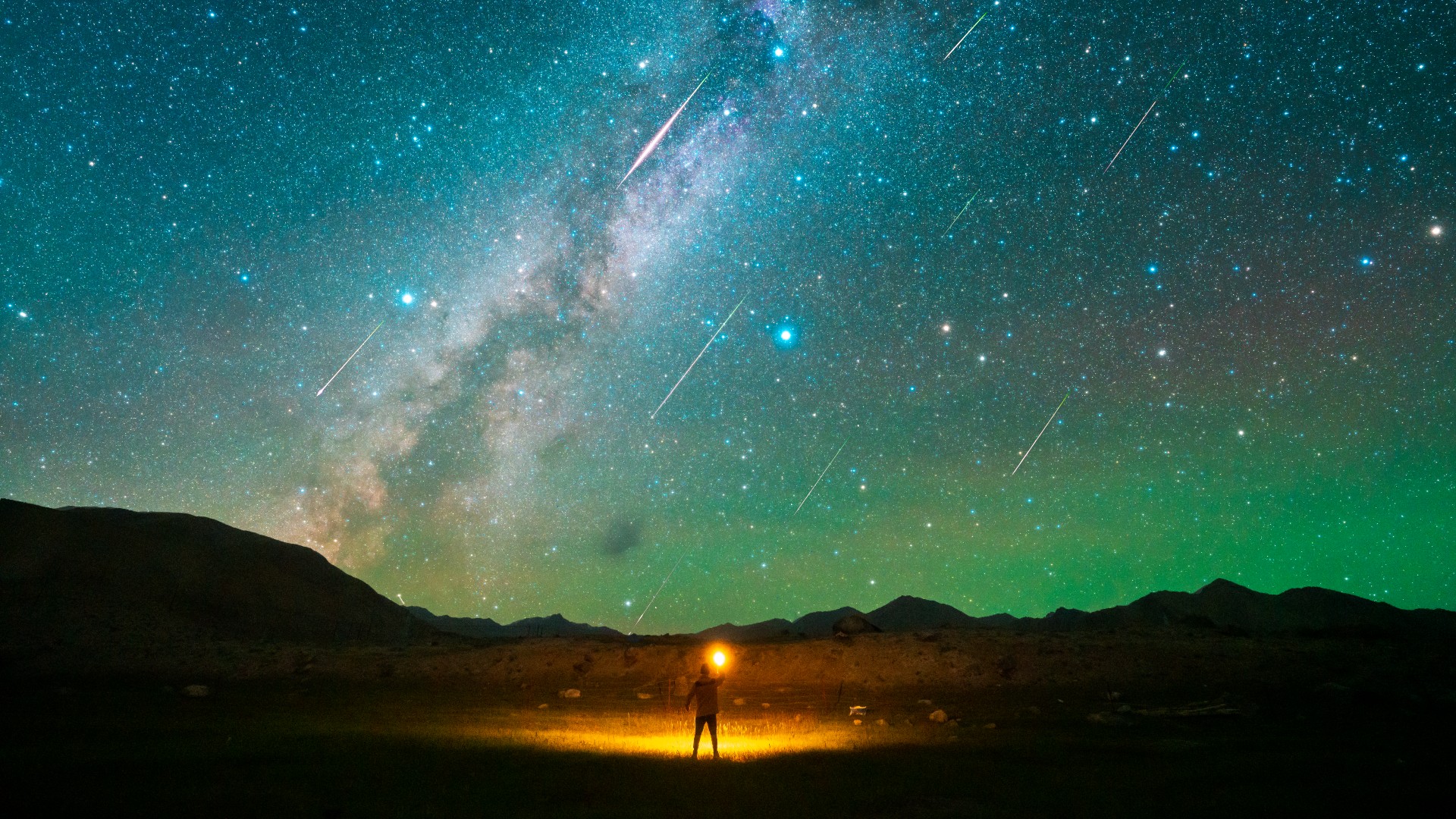
Table of Contents
Understanding the Perseid Meteor Shower
The Perseid meteor shower is a yearly event that occurs as the Earth passes through the debris field left by comet Swift-Tuttle. This comet, with a nucleus of approximately 16 miles (26 kilometers) wide, last passed near Earth in 1992 and won’t be back until 2126. As Earth orbits the Sun, it encounters these particles, which then burn up in our atmosphere, creating the streaks of light we observe as meteors. The Perseids are named after the constellation Perseus, as the meteors appear to radiate from this point in the sky.
Peak Viewing Times and Conditions
Optimal viewing of the Perseid meteor shower typically occurs during its peak, which usually falls in mid-August. During this time, observers can expect to see the highest number of meteors per hour. To enhance the viewing experience, it is crucial to find a location with minimal light pollution. Dark skies away from city lights offer the best conditions for spotting fainter meteors. Additionally, clear weather is essential. Checking the local weather forecast before heading out can help ensure a successful stargazing session.
Tips for Stargazers
For those eager to witness the Perseid meteor shower, a few simple tips can significantly improve the experience. First, allow your eyes to adjust to the darkness for at least 20-30 minutes. This adaptation period enables your eyes to become more sensitive to faint light sources, making it easier to spot meteors. Second, bring a comfortable chair or blanket to lie on. Stargazing often involves extended periods of looking up, so comfort is key. Finally, consider using a red flashlight to preserve your night vision. Red light is less disruptive to the eyes than white light, allowing you to navigate without compromising your ability to see meteors.
The Science Behind the Spectacle
The Perseid meteor shower is not only a beautiful sight but also a fascinating scientific phenomenon. Each meteor is a tiny piece of space debris, often no larger than a grain of sand. As these particles enter the Earth’s atmosphere at high speeds, they compress and heat the air in front of them, creating a bright streak of light. The color of the meteor depends on its chemical composition and speed. Some meteors may appear white, while others may exhibit hues of orange, yellow, or even green.
Comet Swift-Tuttle and its Legacy
Comet Swift-Tuttle, the source of the Perseid meteor shower, is a periodic comet with a highly elliptical orbit around the Sun. Its nucleus is composed of ice, dust, and rocky material. As the comet approaches the Sun, it heats up and releases gas and dust, creating a long tail that stretches for millions of kilometers. Over time, the comet leaves a trail of debris in its wake, which Earth encounters each year, resulting in the Perseid meteor shower. According to NASA, Comet Swift-Tuttle is the largest solar system object that repeatedly passes close to Earth. Its next close encounter with Earth is predicted to be in the year 3044.
Meteor Showers and Earth’s Orbit
Meteor showers occur when Earth passes through areas of space with a higher concentration of debris. These debris fields are typically associated with comets or asteroids that have shed material along their orbits. The timing and intensity of meteor showers can vary from year to year, depending on the distribution of debris and Earth’s position in its orbit. Astronomers use observations of meteor showers to study the composition and structure of cometary and asteroidal debris, providing valuable insights into the formation and evolution of the solar system.
Davis Stargazers and the Perseids
While no specific article about Davis stargazers could be referenced, the general enthusiasm for astronomical events suggests that residents likely sought out dark locations near Davis to observe the Perseid meteor shower. The Yolo County area, with its mix of rural and agricultural landscapes, potentially offered suitable viewing spots away from the light pollution of the city center. Local astronomy clubs and organizations may have organized viewing events or provided information to help residents make the most of the celestial display.
Finding Dark Skies Near Davis
For stargazers in the Davis area, finding dark skies is essential for optimal meteor shower viewing. Locations outside the immediate vicinity of the city, such as rural areas in Yolo County or the foothills of the Sierra Nevada, can offer significantly darker skies. Websites and apps that provide light pollution maps can be valuable resources for identifying areas with minimal artificial light. Planning a trip to one of these locations during the peak of the Perseid meteor shower can greatly enhance the viewing experience.
Community Engagement and Astronomy Clubs
Local astronomy clubs and organizations play a vital role in promoting stargazing and educating the public about astronomical events like the Perseid meteor shower. These groups often organize viewing events, provide telescopes and other equipment, and offer guidance to novice stargazers. Participating in these activities can be a great way to learn more about astronomy and connect with fellow enthusiasts. Checking local community calendars and online forums can help you find astronomy-related events in the Davis area.
Conclusion
The Perseid meteor shower continues to be a highlight for stargazers worldwide, including those in Davis, providing a stunning display of celestial fireworks. Understanding the science behind this annual event, along with practical tips for observation, can enhance the viewing experience. As Earth journeys through the debris field of Comet Swift-Tuttle each year, the Perseids offer a reminder of the dynamic and awe-inspiring nature of our solar system.
