
Mastering homemade sushi might seem daunting, but it’s surprisingly achievable with dedication and patience. Inspired by an account from Smithsonian Magazine, this article explores the rewarding journey of crafting sushi at home, emphasizing that while time-consuming, the process is manageable and yields delicious results. From perfecting the sushi rice to artfully arranging the ingredients, creating your own sushi offers a unique culinary adventure. Let’s dive into the art of homemade sushi.
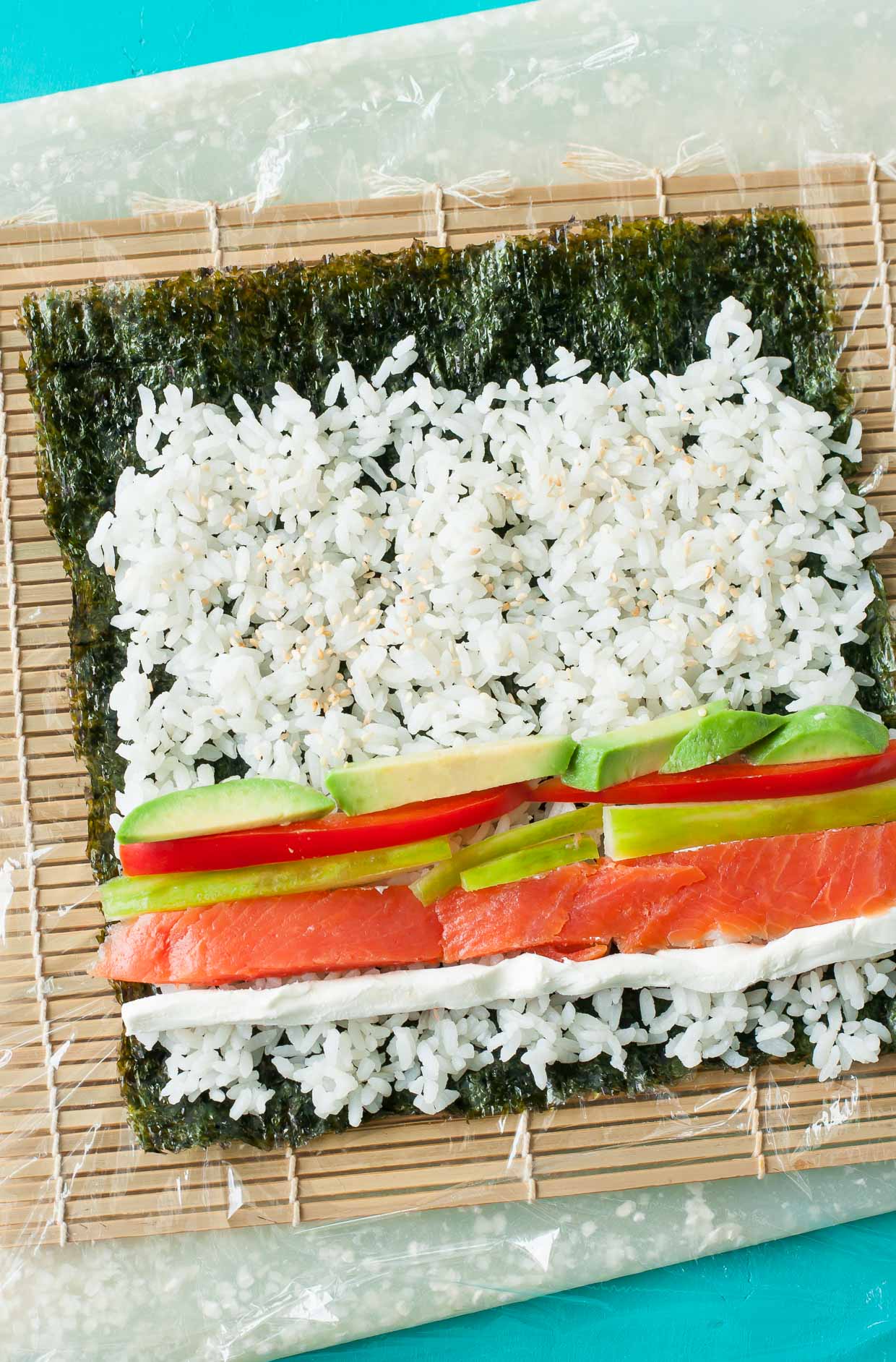
Table of Contents
Understanding Sushi Fundamentals
Many people mistakenly believe that sushi refers specifically to raw fish. However, as clarified in the Smithsonian Magazine article, the term “sushi” actually refers to the vinegared rice. The quality and preparation of this rice are paramount to the overall success of your sushi endeavor. Properly cooked and seasoned sushi rice forms the foundation upon which all other ingredients rest. The Smithsonian Magazine article details the meticulous process involved in achieving sushi rice perfection.
The Crucial Role of Rice
According to the Smithsonian Magazine article, achieving perfectly cooked sushi rice is often considered the most challenging aspect of making sushi. The process begins with thoroughly washing the rice. This involves rinsing the rice multiple times until the water runs clear, removing excess starch that can lead to a gummy texture. Next, the rice needs to be soaked before cooking, allowing it to absorb moisture evenly.
Cooking the Rice to Perfection
The cooking process, as outlined in the Smithsonian Magazine article, involves bringing the rice to a boil, followed by simmering it gently, and finally allowing it to rest. The author’s experience highlights the importance of a reliable stove; a stove that struggles to maintain a consistent simmer can lead to unevenly cooked or even burnt rice. In the Smithsonian Magazine account, a mishap occurred with an older stove, resulting in a portion of the rice being burnt, though most of it was salvaged. This underscores the need for careful monitoring and temperature control during the cooking process.
Seasoning the Rice: The Sushi Vinegar
Once the rice is cooked, it must be seasoned with sushi vinegar. Sushi vinegar, as referenced in the Smithsonian Magazine article, is a mixture of rice wine vinegar, sugar, and salt. This mixture imparts the characteristic tangy and slightly sweet flavor to sushi rice. The proportions of these ingredients can be adjusted to suit individual preferences, but a balanced flavor is key to complementing the other sushi components. The Smithsonian Magazine article emphasizes that this step is crucial for achieving authentic sushi flavor.
Selecting Your Ingredients
The choice of ingredients plays a significant role in the quality of your homemade sushi. While the rice is the foundation, the accompanying fish and other fillings contribute to the overall taste and texture.
Choosing the Right Fish
When it comes to fish, the Smithsonian Magazine article specifies the importance of using “sushi-grade” fish. This designation indicates that the fish has been handled and processed in a way that makes it safe for raw consumption. The author specifically purchased sushi-grade salmon. It is essential to source your fish from a reputable supplier who understands and adheres to strict food safety standards. Using subpar or improperly handled fish can pose a significant health risk.
Nori and Other Fillings
Nori, the dried seaweed sheets used to wrap sushi, is another essential ingredient. Look for high-quality nori sheets that are crisp and have a slightly roasted flavor. In addition to fish, you can experiment with a variety of other fillings, such as vegetables (cucumber, avocado, carrots), cooked seafood (shrimp, crab), and even egg omelet. The Smithsonian Magazine article implies that the fillings are a matter of personal preference, allowing for creativity and customization.
Mastering the Art of Rolling
The rolling process requires a bit of practice, but with a few tips and tricks, you can create beautiful and well-formed sushi rolls.
Preparing Your Workspace
Before you begin rolling, prepare your workspace by laying out a bamboo sushi rolling mat (makisu) covered in plastic wrap to prevent sticking. Have a bowl of ice-cold water nearby for wetting your hands. According to the Smithsonian Magazine, wetting your hands with ice-cold water helps prevent the rice from sticking to your fingers, making it easier to handle. Also, keep a sharp knife nearby, and remember to wet the blade for cleaner cuts.
The Rolling Technique
Place a sheet of nori on the bamboo mat, shiny side down. Spread a thin, even layer of sushi rice over the nori, leaving a small strip uncovered at the top edge. As the Smithsonian Magazine article points out, avoid overfilling the nori with rice, as this can make it difficult to roll and seal. Arrange your chosen fillings horizontally across the center of the rice. Using the bamboo mat, lift the edge closest to you and begin rolling tightly, tucking in the fillings as you go. Once you reach the end, moisten the uncovered strip of nori with a little water to seal the roll. Use the bamboo mat to shape and compress the roll gently.
Slicing and Serving
Use a sharp, wet knife to slice the sushi roll into bite-sized pieces. Wetting the knife before each cut, as recommended in the Smithsonian Magazine article, ensures cleaner slices and prevents the rice from sticking to the blade. Arrange the sushi pieces on a plate and serve with soy sauce, wasabi, and pickled ginger (gari).
Lessons Learned: Key Takeaways
The experience recounted in Smithsonian Magazine provides valuable lessons for aspiring home sushi chefs. Key takeaways include the importance of using high-quality ingredients, mastering the rice cooking process, and practicing the rolling technique. Don’t be discouraged by initial imperfections; like any culinary skill, making sushi at home improves with practice. The author of the Smithsonian Magazine article emphasizes that the process, although lengthy (taking several hours), is ultimately a rewarding and enjoyable experience for sushi enthusiasts.
Final Thoughts on Homemade Sushi
Making sushi at home offers a fulfilling culinary experience. While it requires patience and attention to detail, the process is manageable and yields delicious results. By following the guidelines outlined in the Smithsonian Magazine article and incorporating the key lessons learned, you can confidently embark on your own sushi-making adventure and impress your friends and family with your newfound skills. The ability to customize your ingredients and create your own unique sushi rolls adds to the appeal of this rewarding activity.
