
Turkey Earthquake Jolts the western region on Sunday, August 10, 2025, with a magnitude of 6.1. The tremor was confirmed by Turkey’s disaster management authority, AFAD, and reported by Zee News – India.Com, with reports indicating that the effects were felt across several provinces.
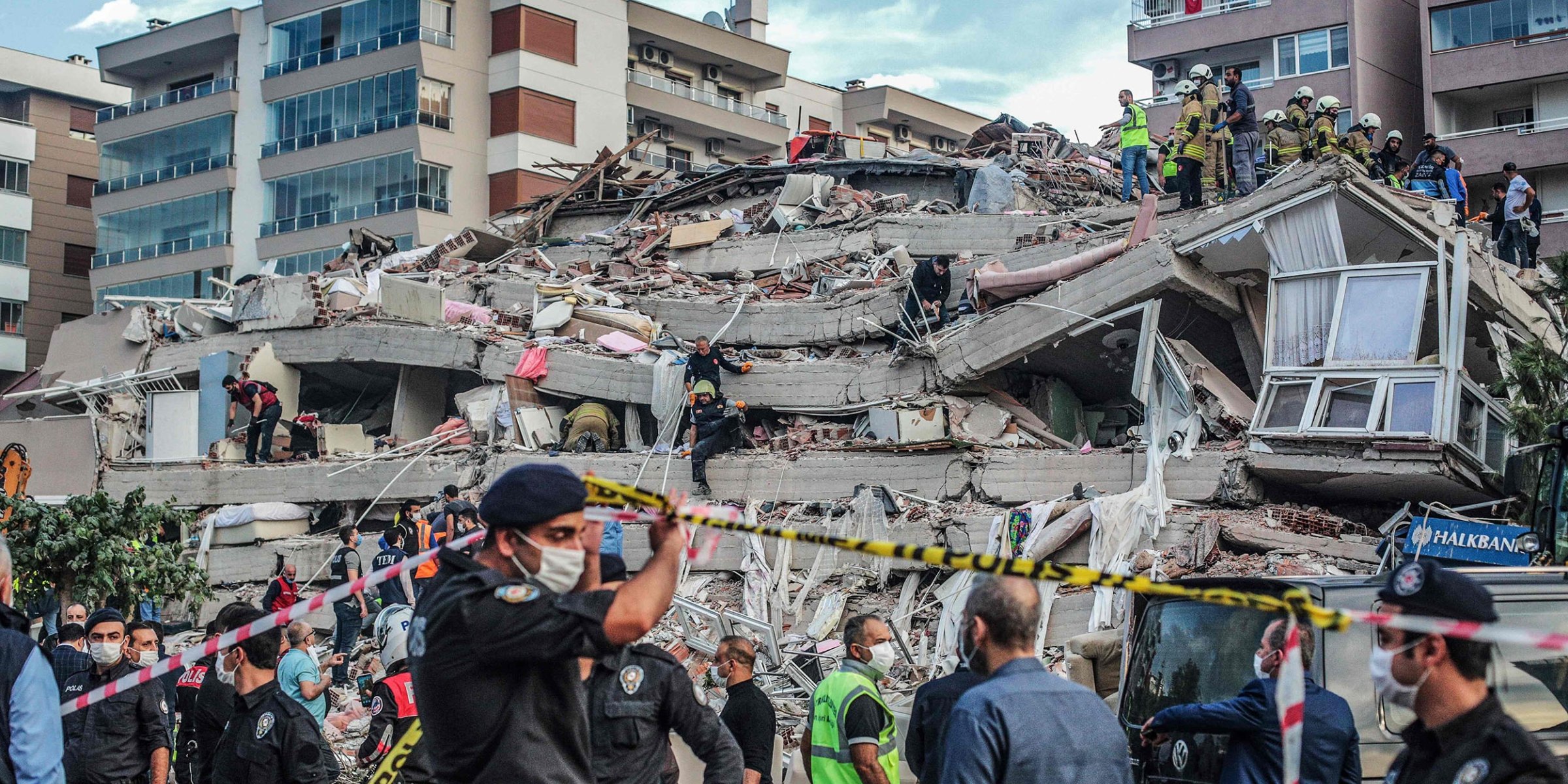
Table of Contents
Earthquake Details and Aftermath
The earthquake, registering a magnitude of 6.1, struck western Turkey, causing widespread concern and prompting immediate responses from disaster management agencies. AFAD, Turkey’s disaster management authority, has been at the forefront of assessing the damage and coordinating relief efforts. The initial report, as covered by Zee News – India.Com, highlighted the extensive reach of the tremors, felt across multiple provinces within the region.
AFAD’s Response
In the immediate aftermath of the earthquake, AFAD mobilized its resources to evaluate the impact and provide necessary assistance to affected communities. AFAD’s initial statements, as reported by Zee News – India.Com, focused on confirming the magnitude and location of the earthquake, as well as outlining preliminary assessments of potential damage. Their rapid response is crucial in mitigating the immediate consequences of the disaster and ensuring the safety and well-being of the population.
Impact Across Provinces
The tremors resulting from the 6.1 magnitude earthquake were felt across numerous provinces in western Turkey. Zee News – India.Com reported on the widespread sensation of the earthquake, indicating a broad area of impact. This widespread effect necessitates a comprehensive assessment of infrastructure and residential areas to identify and address any structural damage. The varied geological conditions across these provinces may also influence the severity of the impact, requiring tailored response strategies for each region.
Understanding Earthquake Magnitude
The magnitude of an earthquake is a quantitative measure of the size of the earthquake at its source. It’s important to understand what a 6.1 magnitude earthquake typically entails in terms of potential damage and impact. The scale is logarithmic, meaning that each whole number increase represents a tenfold increase in amplitude and approximately 31.6 times more energy released. Therefore, a 6.1 magnitude earthquake is significantly more powerful than, say, a 5.1 magnitude earthquake.
Potential Damage Scenarios
A 6.1 magnitude earthquake can cause considerable damage, particularly in areas with vulnerable infrastructure. According to established seismological data, earthquakes of this magnitude can result in moderate to heavy damage to buildings and infrastructure within a certain radius of the epicenter. This may include structural damage to older buildings, potential collapse of weakened structures, and disruption of essential services such as water, electricity, and communication networks. The extent of the damage is also influenced by factors such as the depth of the earthquake, the type of soil, and the construction quality of buildings in the affected area.
Historical Context of Earthquakes in Turkey
Turkey is located in a seismically active region, making it prone to frequent earthquakes. The country’s geological setting, situated at the intersection of several major tectonic plates, contributes to the high seismic activity. Throughout history, Turkey has experienced numerous devastating earthquakes, resulting in significant loss of life and widespread destruction. Understanding the historical context of earthquakes in the region is crucial for implementing effective disaster preparedness and mitigation measures. This includes enforcing stringent building codes, conducting regular drills, and investing in early warning systems to minimize the impact of future earthquakes.
Disaster Preparedness and Mitigation
Given Turkey’s susceptibility to earthquakes, robust disaster preparedness and mitigation strategies are essential to minimize the impact of seismic events. These strategies encompass a range of measures, including structural reinforcement of buildings, public awareness campaigns, and the establishment of well-equipped emergency response teams. Continuous investment in these areas is crucial for building resilience and protecting communities from the devastating consequences of earthquakes.
Building Codes and Infrastructure
Enforcing stringent building codes is a cornerstone of earthquake preparedness. These codes mandate specific construction standards designed to withstand seismic forces, ensuring the structural integrity of buildings during an earthquake. Regular inspections and upgrades of existing infrastructure are also essential to identify and address vulnerabilities. By adhering to and enforcing these codes, Turkey can significantly reduce the risk of building collapse and minimize casualties during future earthquakes.
Public Awareness and Education
Public awareness and education play a vital role in promoting a culture of preparedness. Educating communities about earthquake safety measures, evacuation procedures, and emergency response protocols can empower individuals to take proactive steps to protect themselves and their families. Public awareness campaigns can also dispel myths and misconceptions about earthquakes, fostering a more informed and resilient population. These initiatives can be implemented through schools, community centers, and media outlets, ensuring that critical information reaches a wide audience.
Conclusion
The 6.1 magnitude earthquake in western Turkey underscores the ever-present threat posed by seismic activity in the region. The swift response of AFAD and the widespread impact reported by Zee News – India.Com highlight the importance of preparedness, robust building codes, and public awareness. Continuous investment in these areas is crucial for mitigating future risks and protecting communities from the devastating consequences of earthquakes in this seismically active zone.
