
Achieving waffle perfection at home is easier than you might think. Forget complicated recipes and endless tweaking; with a few simple steps and techniques gleaned from expert sources, you can consistently create light, fluffy, and golden-brown waffles that rival your favorite brunch spot. This guide consolidates the wisdom of numerous culinary authorities to provide you with a foolproof path to homemade waffle mastery.
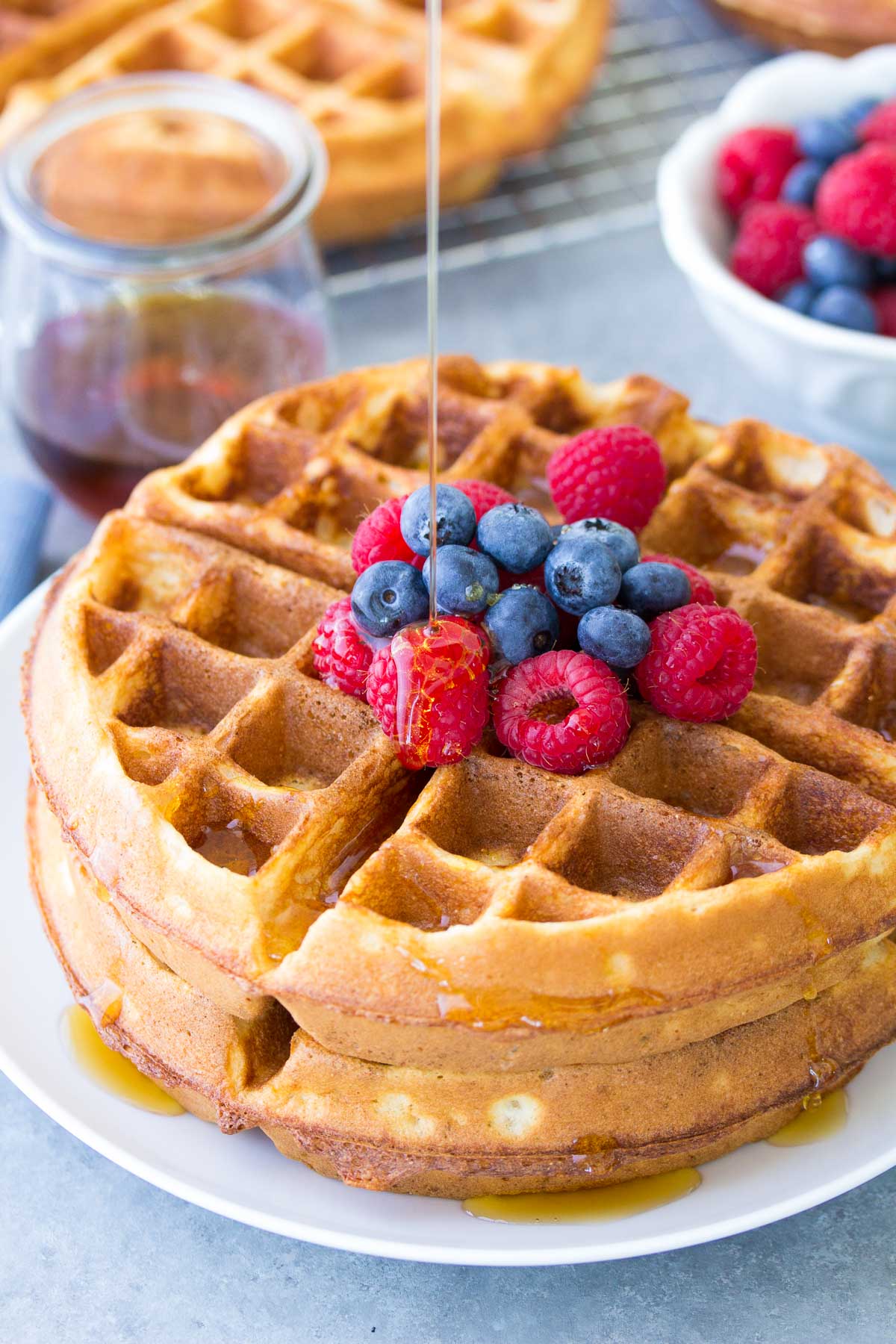
Table of Contents
Gathering Your Ingredients
The foundation of any great waffle lies in the quality and preparation of its ingredients. While recipes vary slightly, the core components remain consistent. According to RecipeTin Eats, most successful waffle recipes begin with all-purpose flour, providing the necessary structure. Sugar adds sweetness and aids in browning, while baking powder acts as a leavening agent, creating that desirable light and airy texture. A pinch of salt enhances the flavors.
Liquid ingredients are equally crucial. Milk, often buttermilk for its added tang and tenderness, provides moisture. Eggs contribute richness and binding, and melted butter or oil adds flavor and helps to prevent sticking. Many chefs, including those at Preppy Kitchen, advocate for using room-temperature eggs and milk. This ensures better emulsification and a more homogenous batter, leading to a superior final product.
Mixing the Batter: The Key to Fluffiness
The mixing technique is paramount in achieving light and fluffy waffles. The general consensus, echoed by sources like Spend With Pennies, is to combine the dry ingredients in one bowl and the wet ingredients in another. This allows for even distribution of the baking powder and prevents overmixing once the wet and dry ingredients are combined.
Overmixing develops the gluten in the flour, resulting in tough, chewy waffles. A few lumps in the batter are perfectly acceptable, even desirable. Some recipes, such as those found on Love and Lemons, suggest taking an extra step for even greater fluffiness: separating the egg whites, beating them to stiff peaks, and gently folding them into the batter. This incorporates air and creates an incredibly light texture.
Preparing Your Waffle Iron
A properly prepared waffle iron is essential for even cooking and preventing sticking. As emphasized by Allrecipes, always preheat the waffle iron according to the manufacturer’s instructions. This ensures that the iron is at the optimal temperature when the batter is added, resulting in consistent browning and crispiness. The ideal temperature will vary depending on your specific waffle iron model, so consulting the manual is crucial.
While many modern waffle irons boast non-stick surfaces, a little extra insurance can’t hurt. The Stay At Home Chef recommends lightly greasing the iron with melted butter or cooking spray, even if it’s non-stick. This provides an additional barrier against sticking and contributes to a beautifully golden-brown crust. Be sure to apply the grease evenly to all cooking surfaces of the iron.
Cooking to Golden Perfection
Pouring the correct amount of batter is key to preventing overflow and ensuring evenly cooked waffles. The precise amount will depend on the size and shape of your waffle iron. A good rule of thumb, according to Instructables, is to pour enough batter to just cover the cooking surface without overflowing. Experiment with small adjustments until you find the perfect amount for your iron.
Cooking times will also vary depending on your waffle iron and the desired level of crispness. Generally, waffles will take between 2.5 and 6 minutes to cook, as noted by King Arthur Baking. A good indicator of doneness is the cessation of steam escaping from the iron. The waffles should be golden brown and crispy to the touch. Avoid opening the iron prematurely, as this can cause the waffles to stick and tear.
Serving and Enjoying Your Waffles
Waffles are best enjoyed immediately while they are hot and crispy. Serve them with your favorite toppings, such as maple syrup, butter, fresh berries, and whipped cream. For a truly decadent experience, consider adding chocolate chips, nuts, or a drizzle of caramel sauce.
If you are making multiple batches, keep the cooked waffles warm on a wire rack in a low oven (around 200°F or 93°C). This will prevent them from becoming soggy. According to Born and Raised Waffles, waffles can also be frozen for later enjoyment. Simply allow them to cool completely, then wrap them individually in plastic wrap and place them in a freezer bag. To reheat, toast them in a toaster until warmed through and crispy.
Achieving Waffle Perfection
Mastering the art of homemade waffles is within everyone’s reach. By carefully preparing your ingredients, avoiding overmixing, properly preheating your waffle iron, and cooking until golden brown, you can consistently create delicious and satisfying waffles. With a little practice and experimentation, you’ll be serving up waffle perfection in no time.
