
Audience vs. Critics is at the heart of the discussion surrounding Gerard Butler’s 2023 thriller, Kandahar, now available on Netflix. The film has sparked debate due to the markedly different reactions from professional critics and general audiences. While critical reviews were less than stellar, viewers have embraced the action-packed narrative, creating a schism that invites viewers to form their own opinions.
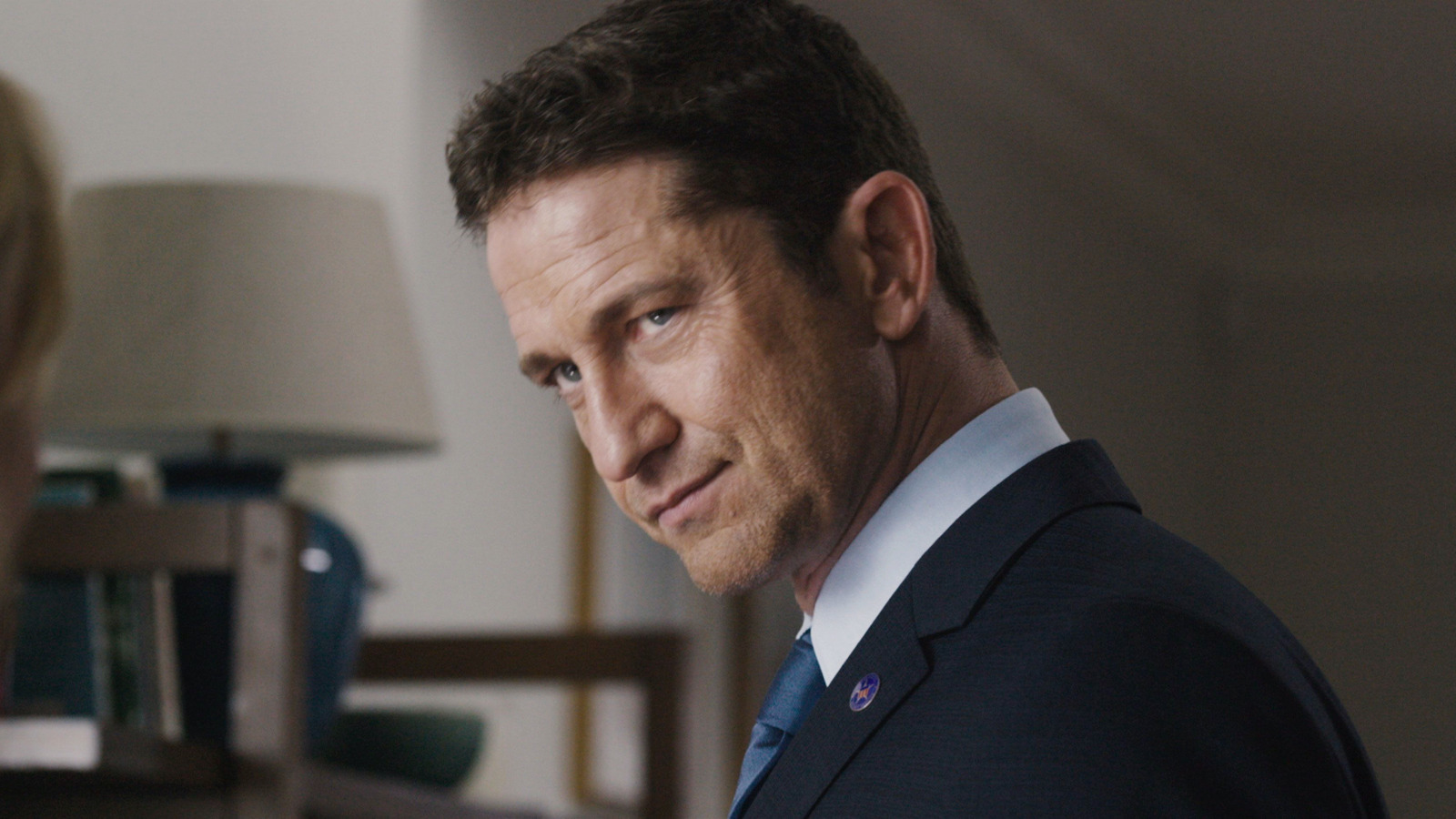
Table of Contents
A Divisive Reception
The disparity in reception is a key element of the Kandahar story. According to Rotten Tomatoes, the film received a critic score of just 45%. This indicates that, based on reviews aggregated by the site, less than half of professional critics gave the film a positive review. In stark contrast, the audience score stands at a much higher 82%, reflecting a strong approval rate among viewers.
This difference in opinion raises questions about what each group values in a thriller. Critics may have focused on elements like originality, narrative depth, or nuanced performances. Audiences, on the other hand, may have been more receptive to the film’s action sequences, suspenseful plot, and overall entertainment value. This divergence highlights the subjective nature of film criticism and the importance of individual viewing experiences.
Kandahar’s Plot and Production
Directed by Ric Roman Waugh, Kandahar features Gerard Butler as Tom Harris, an undercover CIA operative working in Afghanistan. The plot thickens when Harris’s mission is exposed, forcing him to navigate hostile territory to reach an extraction point in Kandahar. He is accompanied by his translator, Mo, as they face numerous challenges and enemies along their perilous journey.
The film is loosely based on real events, adding a layer of authenticity to the narrative. While the specifics of the plot may be fictionalized, the backdrop of Afghanistan and the themes of espionage and survival resonate with real-world geopolitical issues. This connection to reality may contribute to the film’s appeal for some viewers.
Gerard Butler’s Role
Gerard Butler’s portrayal of Tom Harris is central to the film’s appeal. As an experienced action star, Butler brings a sense of physicality and intensity to the role. His character’s resourcefulness and determination in the face of adversity drive the narrative forward, engaging the audience in his struggle for survival.
Butler’s involvement in the film also extends beyond acting. He has a producing credit, suggesting his active participation in shaping the project. This level of involvement may indicate a personal connection to the story or a desire to contribute to the film’s creative direction. His prior collaborations with director Ric Roman Waugh, such as on the films Angel Has Fallen and Greenland, further solidify their professional relationship and shared vision.
Why the Divide?
Several factors may contribute to the contrasting opinions on Kandahar. Critical reviews often consider a film’s artistic merit, originality, and adherence to established cinematic conventions. If a film deviates from these expectations or falls short in certain areas, it may receive lower scores from critics.
Audience reception, on the other hand, tends to be more focused on entertainment value and personal enjoyment. Factors such as pacing, action sequences, and emotional resonance can significantly influence audience ratings. If a film delivers a satisfying and engaging experience, viewers may be more forgiving of any perceived flaws.
The difference could also come down to expectations. Perhaps audiences went into the movie expecting an action-packed thriller, while critics were looking for something deeper. Regardless, the divide is substantial and worth noting.
Kandahar: Decide For Yourself
Ultimately, the best way to determine whether Kandahar is worth watching is to see it for yourself. With its availability on Netflix, the film is easily accessible to a wide audience. Viewers can form their own opinions based on their personal preferences and expectations.
The film’s divisive reception serves as a reminder that film criticism is subjective and that individual viewing experiences can vary greatly. What one person finds enjoyable or insightful, another may find disappointing or uninspired. Therefore, it is essential to approach films with an open mind and to trust your own judgment.
In conclusion, Kandahar presents an interesting case study in contrasting critical and audience opinions. Whether you are drawn to the action-packed plot, Gerard Butler’s performance, or the film’s connection to real-world events, it offers a viewing experience that is sure to spark discussion and debate. The best course of action is to watch and decide for yourself whether Kandahar hits the mark.
